Willows - RSA Entry
Willow Farms as a means of Flood Defence
RSA
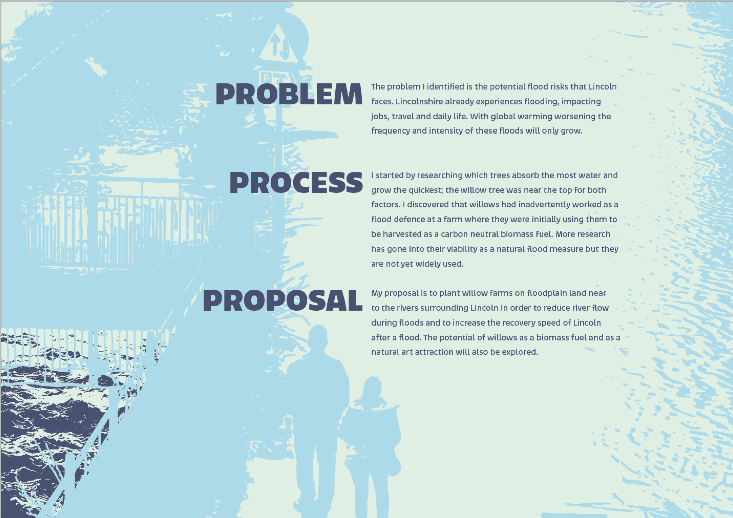
From the 5 RSA briefs I decided to do the 'Made Natural' brief which is all about using trees as a part of or as an inspiration for creating a solution to a problem in a community.
One of the prompts on the RSA brief is to look at the local environment around you, identify an issue and then attempt to solve that problem.
I thought the best place to look for the issues in Lincoln would be to consult the Lincoln Council's documents. I found their Green Grid Infrastructure Plan, went to issues section and tried to see if they would spark any ideas.
Within the report there were three main issues:
1. Growing demands on existing green infrastructure
2. Large parts of the city are in high flood risk zones
3. The biodiversity within Lincoln is in decline
There was also a focus on the air quality within Lincoln worsening. Alongside all of this information were this maps that visually presented the problems facing Lincoln.
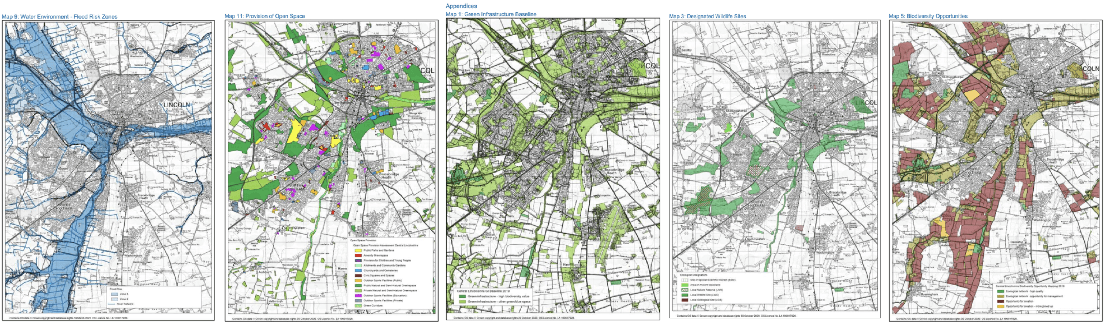
I found older documents that express that with climate change becoming a larger issue will eventually lead to the need to strengthen Lincoln's flood defences. This helped me to understand what plans were already in place for flood defence and what more could be done in order to ensure Lincoln's safety. Once I identified the flooding in Lincoln as the problem I wanted to address I researched how trees can play a role in the prevention or aid in the aftermaths of floods.
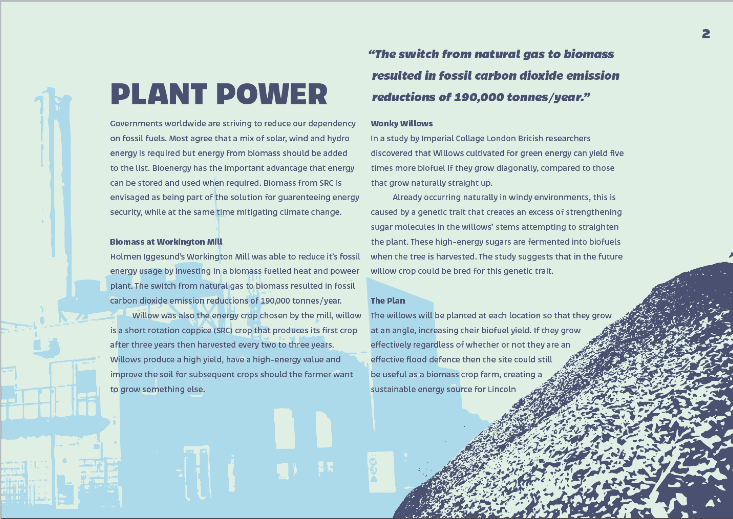
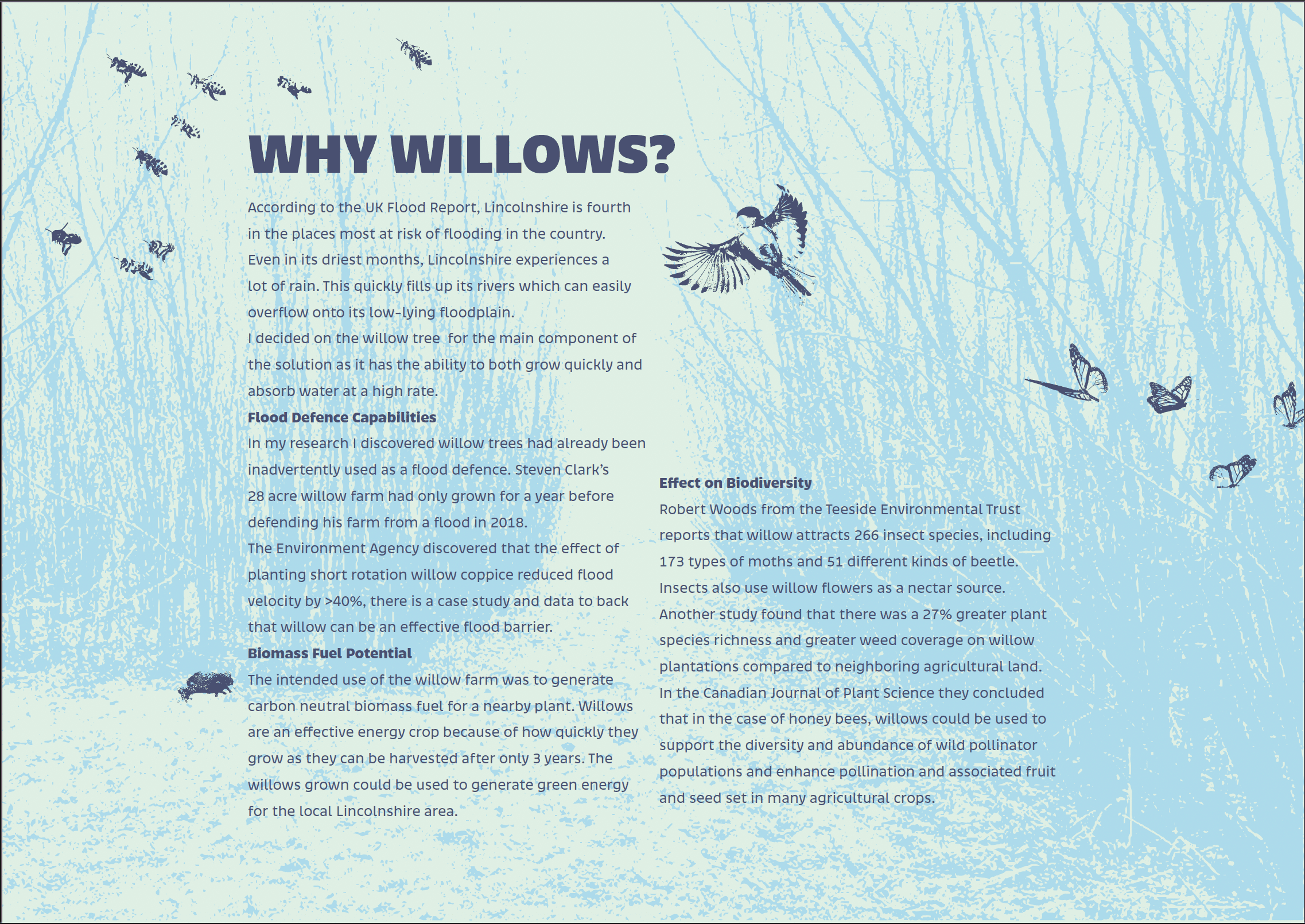
I found out that one of the fastest growing trees is the willow tree, it is also one of the trees that is fastest at absorbing water, it has shallow roots to not disrupt the surrounding area and willows also lead to an increase the biodiversity of the surrounding area. Willow trees have also been used as a renewable biomass energy source such as by the company Holmen Iggessund.
Planting Research
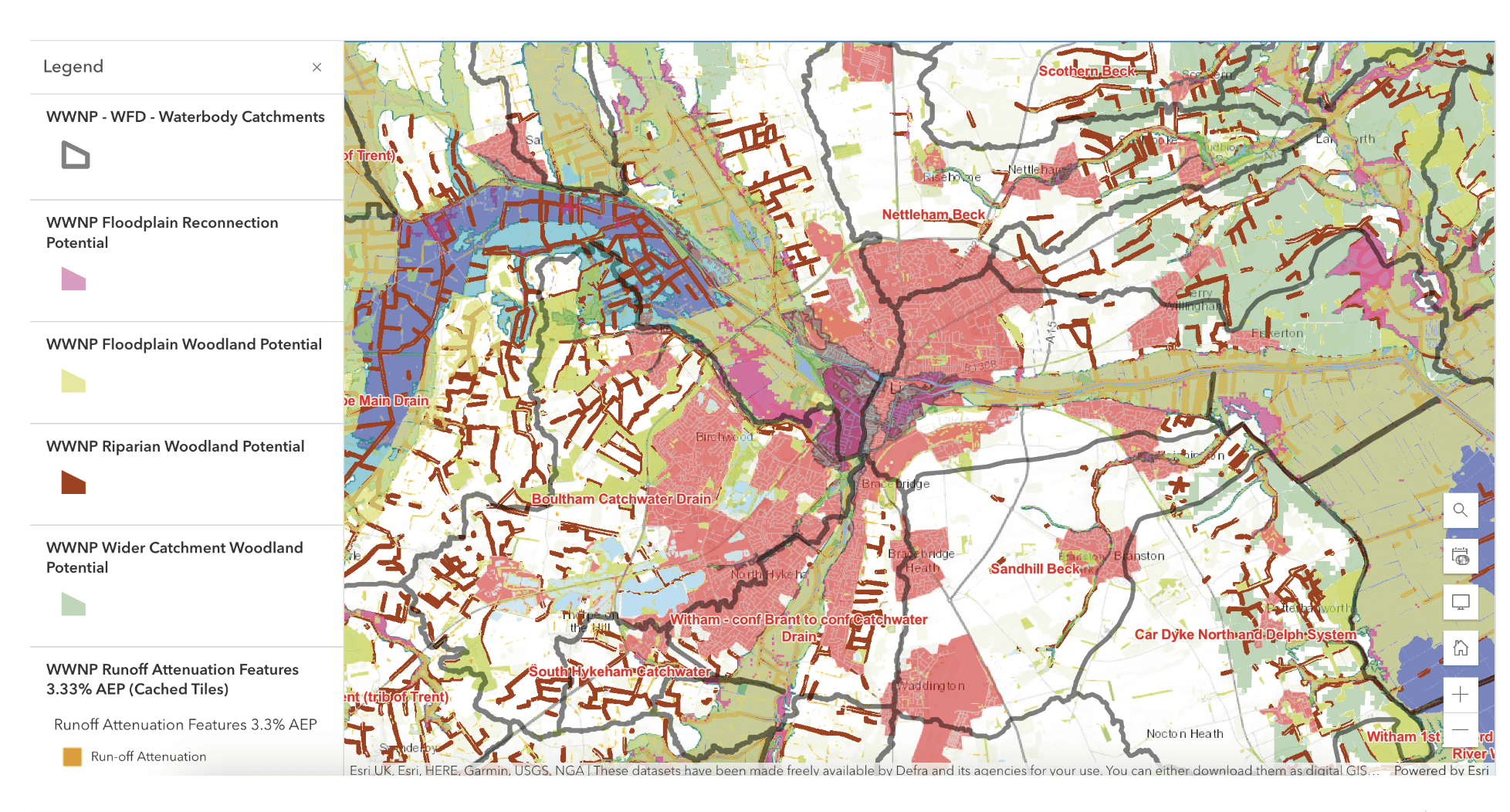
I found maps created by the Environment Agency that have coloured keys to show where some potential woodland planting locations could be. The light green areas on the second map, the floodplain woodland potential, are where my proposal for willow farms could be implemented.
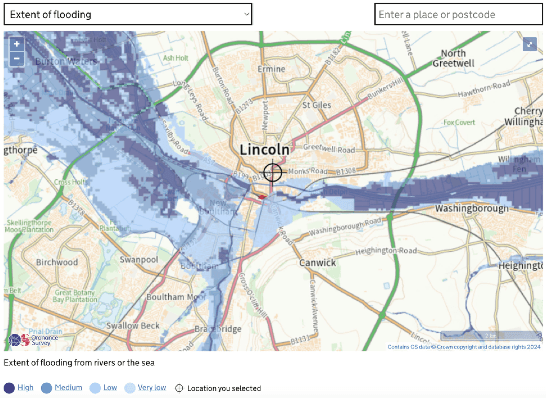
Having some planted along the river before Lincoln would result in a lower flood velocity entering Lincoln. Other willow farms could be planted on the left side after the river has left Lincoln. These would be the willows that absorb the water after a flood which would lead to a quicker recovery for Lincoln after a flood. In 2015 The Environment Agency modelled the effect of planting willows on floodplains and found that flood velocity was reduced by 40%. These government maps of Lincoln's flood risk areas, from surface water and the sea, align with my current proposal for planting locations. Planting willows on the river both coming into and leaving Lincoln would help reduce the impact of flooding in these areas.
Biofuel Potential
I did more research into willows and read about an experiment at Imperial Collage London that found planting willows at an angle lead to a higher energy yield as a biomass fuel. This is due to a sugar within the willow trying to straighten itself but never being able to so production is continuous, storing more energy.
If they were to be harvested and used to power parts of Lincoln locally then these willows would be closer to carbon negative. There would be very short transportation to end user, if the area best to plant willows is already being used by a farmer then they can be shown the potential uses and earnings of willow as a SRC, this combined with their use as flood defence should be enough to convince the farmers to re purpose some of their land.
Hero Board Design
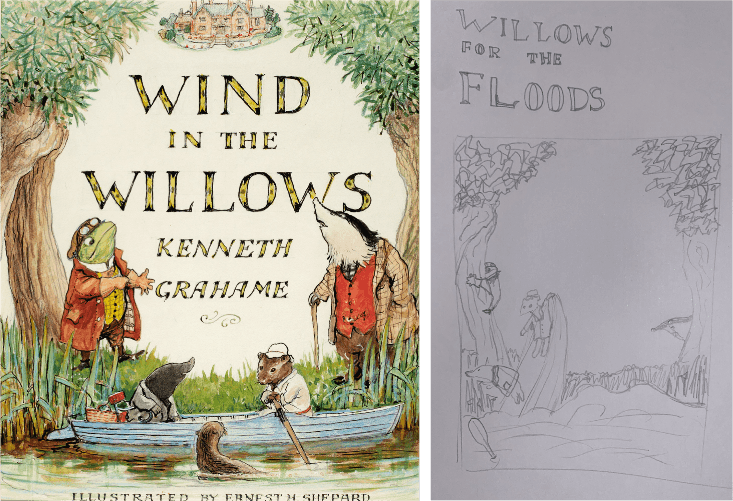
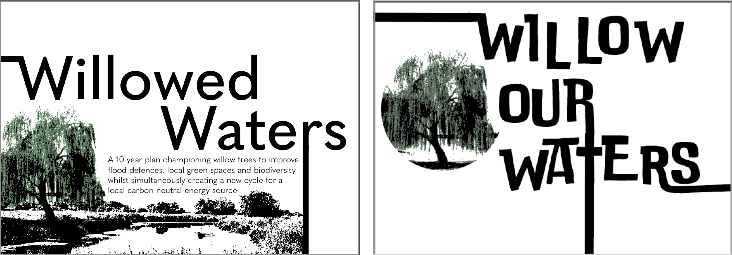
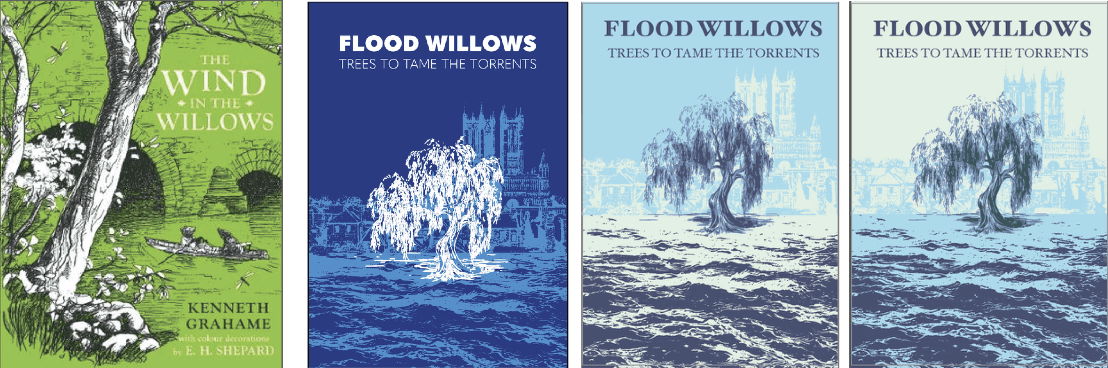
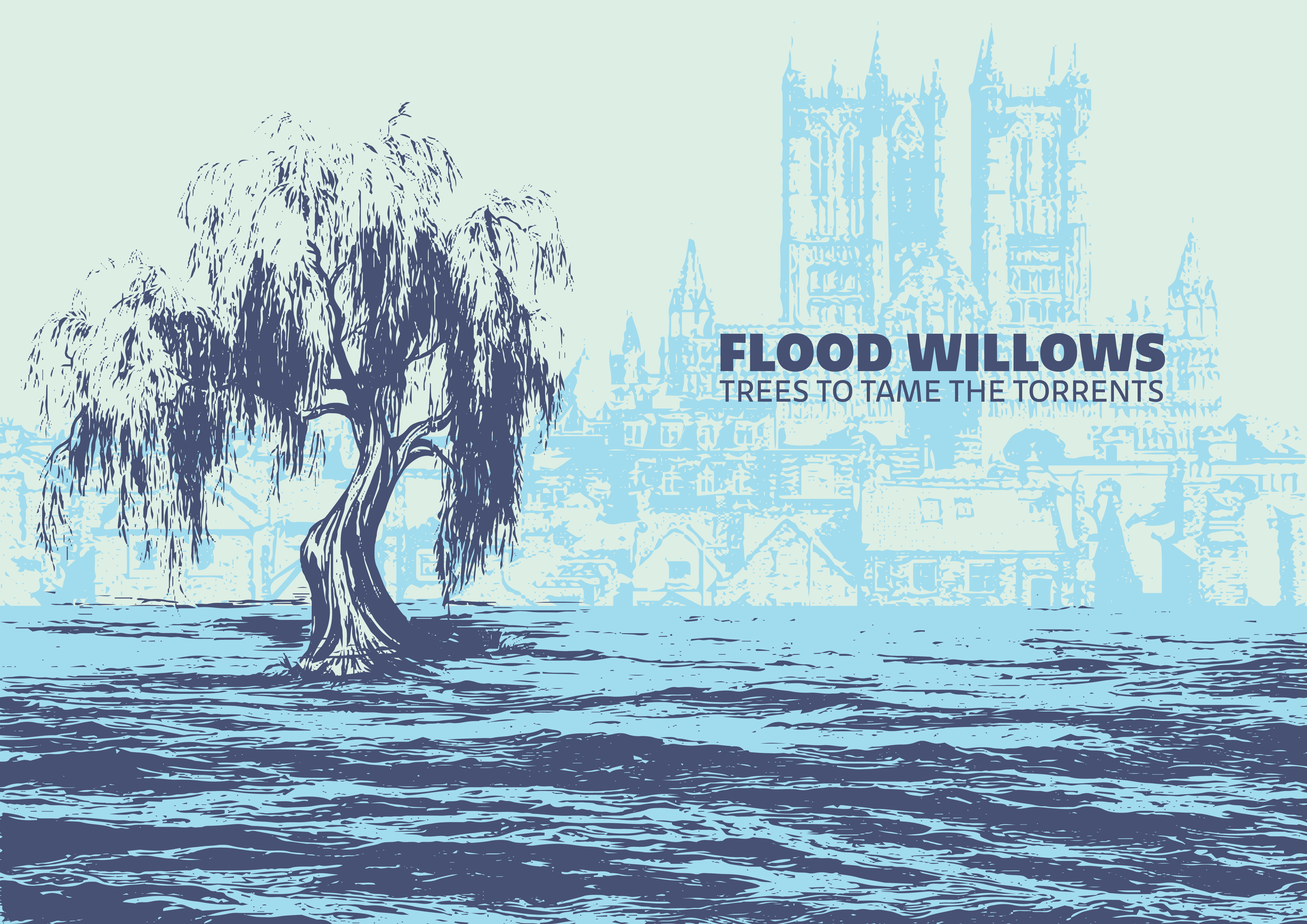
I experimented with a few layouts and fonts for the hero page. Initially I thought a comical idea would be to take the wind in the willows cover and design a version that portrayed the aftermath of a flood.
I was then inspired by a second wind in the willows book cover and replicated a similar style that was more Lincoln, willow and flood themed.
Final Design
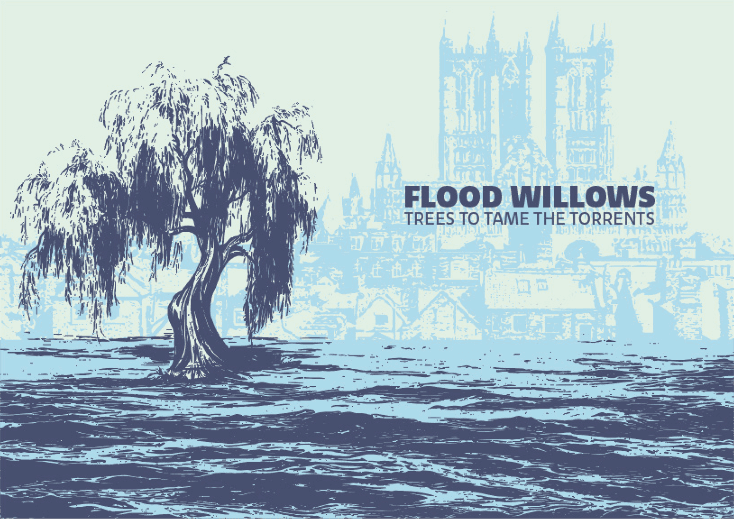
Once I had my decided on the design theme for the project creating the other boards became easier. Sticking to this strict 3 colour scheme and creating depth using the darker blue in the foreground.
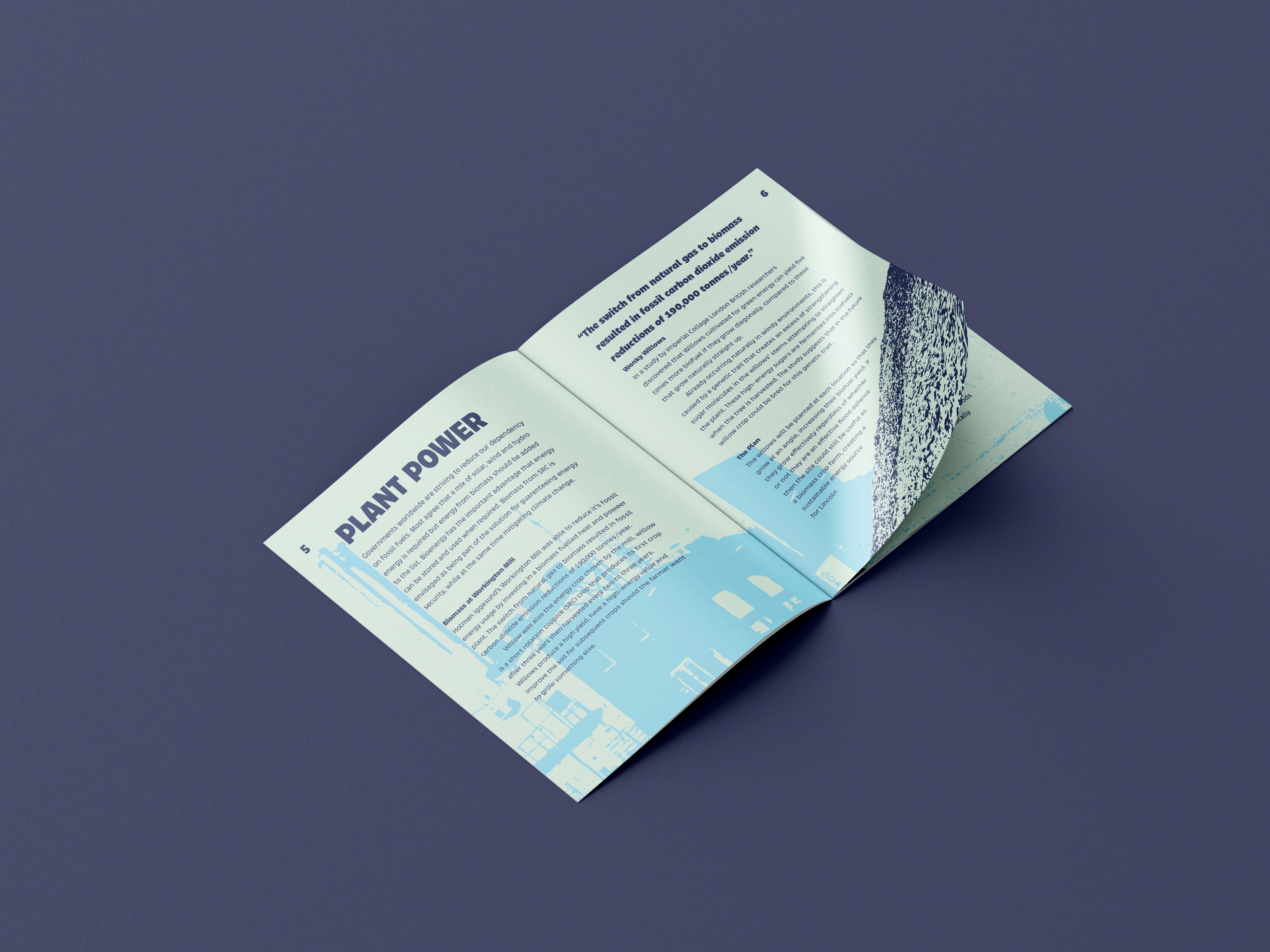
Here are a few of the pages submitted to RSA or click here to view the whole project as a digital flipbook.
More Projects